Canary Islands weather in December and January: the warmest island
The four main islands compared in winter: daytime highs, rainy days and sunshine at each airport, why height matters more than the island, the sea and winter trips.
Which Canary Island should you choose? It depends on the trips you want to take. Tenerife has the widest choice – Mount Teide, whale watching and big theme parks; Gran Canaria combines mountain villages with a real capital city; Lanzarote is the island of volcanoes and César Manrique’s art; and Fuerteventura is about dunes, long beaches and the small island of Lobos. From each of them you can add a second island on a ferry day trip.
Below we compare the four main islands for excursions, explain how to see two islands in one holiday and how the weather differs, and end with a short table to help you decide. No island is simply “the best” – each is good at different things.
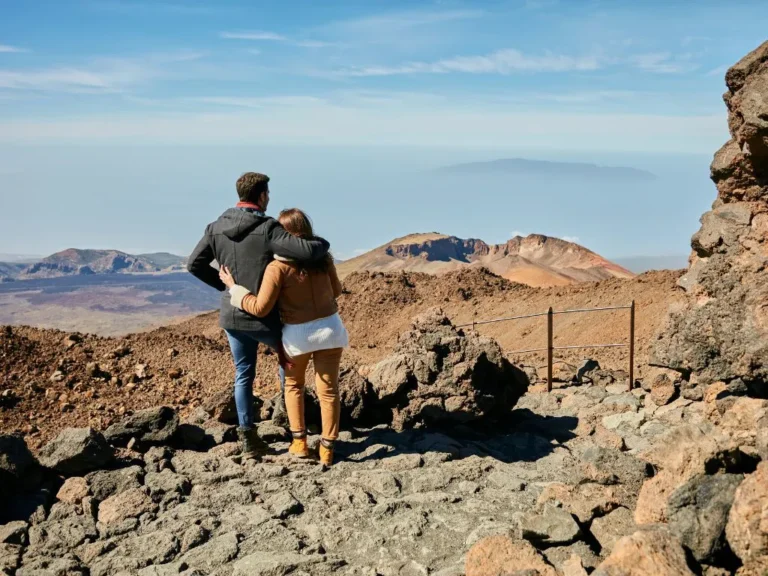
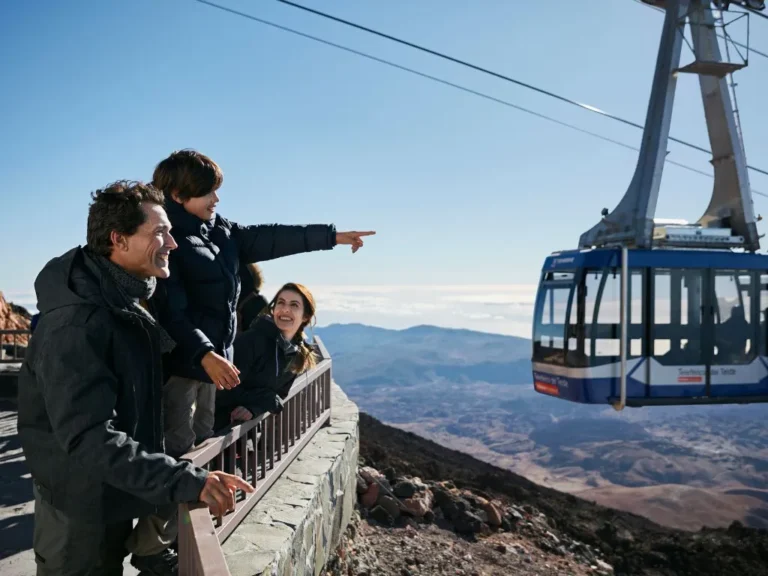
Tenerife is the island with the most to book. Mount Teide, at 3,715 metres, is Spain’s highest peak, and its national park is a UNESCO World Heritage Site. You can see it on a coach tour from the resorts: our Teide tour with cable car adds the ride up to 3,555 metres and an official guide, with pickup in many parts of the island.
8 h4 optionsTeide Tour with Cable Car Tickets and Official Guidefrom €92per adultDetails
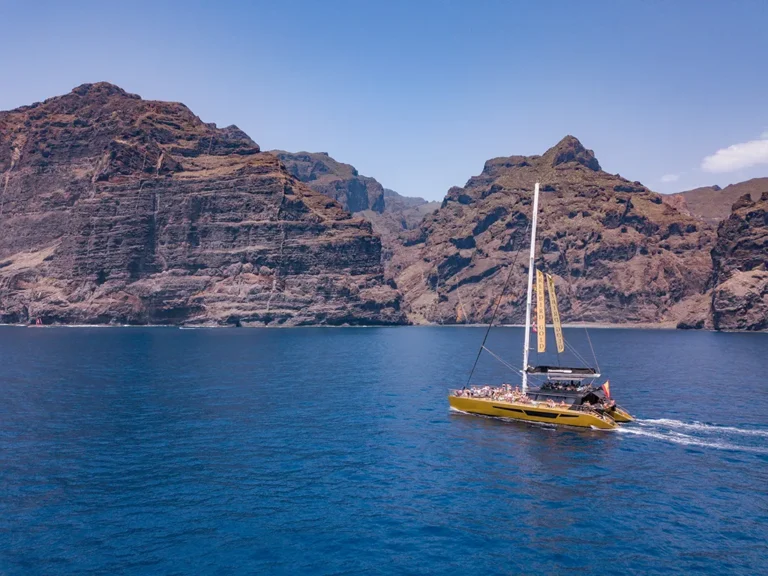
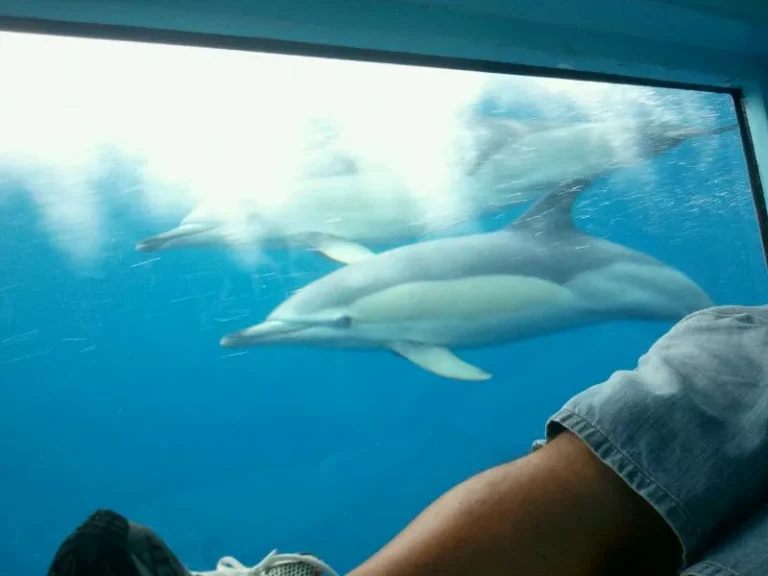
The sea is the other big draw. Short-finned pilot whales and bottlenose dolphins live off the south-west coast all year, so whale-watching trips run in every month – our guide to whale and dolphin watching in Tenerife explains when to go and which boat to choose. Families add the theme parks: Siam Park in Costa Adeje and Loro Parque in Puerto de la Cruz, which you can book with a bus from the south on set days.
Tenerife also has by far the widest range in our catalogue: well over a hundred excursions, from coach tours and island tours to boat trips, water sports and shows.
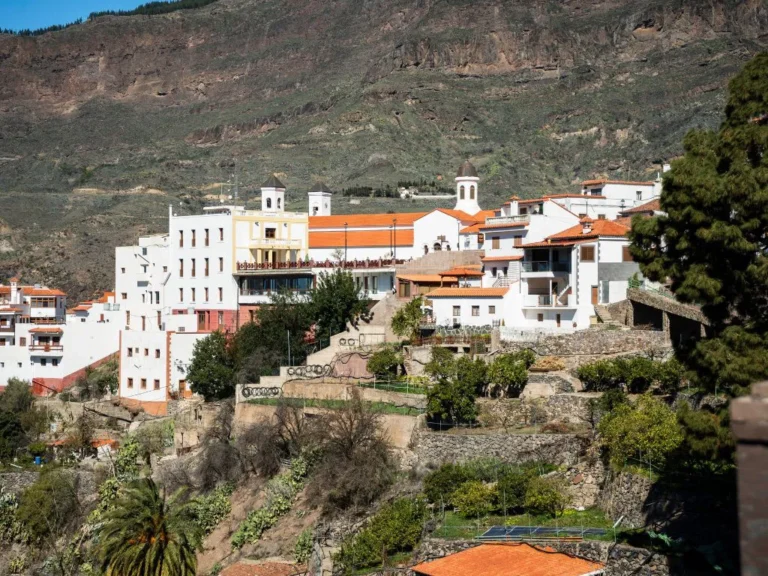
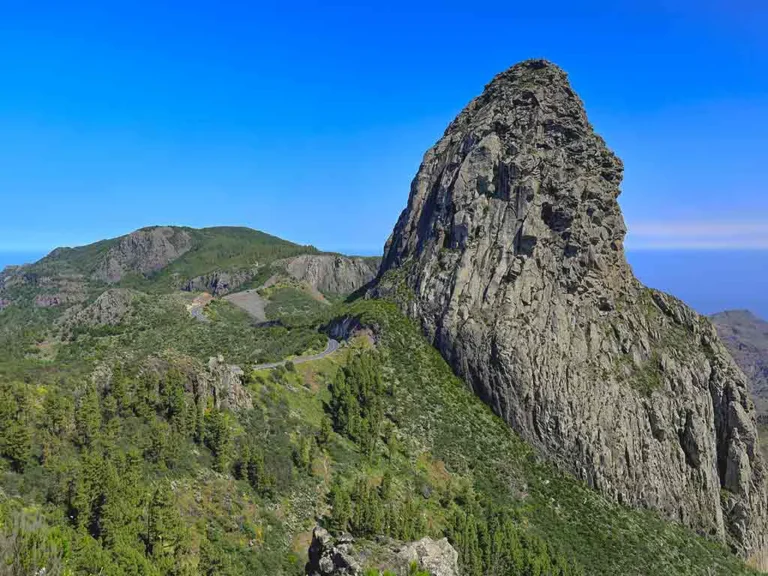
The Canary Islands’ tourist board calls Gran Canaria a “miniature continent” for the contrasts packed into one round island. Its centre is a mountain area around Roque Nublo, a volcanic rock pinnacle, and the cultural landscape of Risco Caído and the Sacred Mountains is a UNESCO World Heritage Site. On the north-east coast lies Las Palmas de Gran Canaria, the island’s capital, with its historic quarter of Vegueta.
Our tours follow those two themes. Gran Canaria from the Heights takes you from the south to viewpoints over the Fataga valley and Roque Nublo, to Cruz de Tejeda and to free time in the village of Tejeda. The Las Palmas day trip combines a guided walk through Vegueta and Triana with free time in the city and, if you like, the Poema del Mar aquarium. The choice of tours on Gran Canaria is smaller than on Tenerife, so see our guide to what to see in Gran Canaria for ideas beyond them.
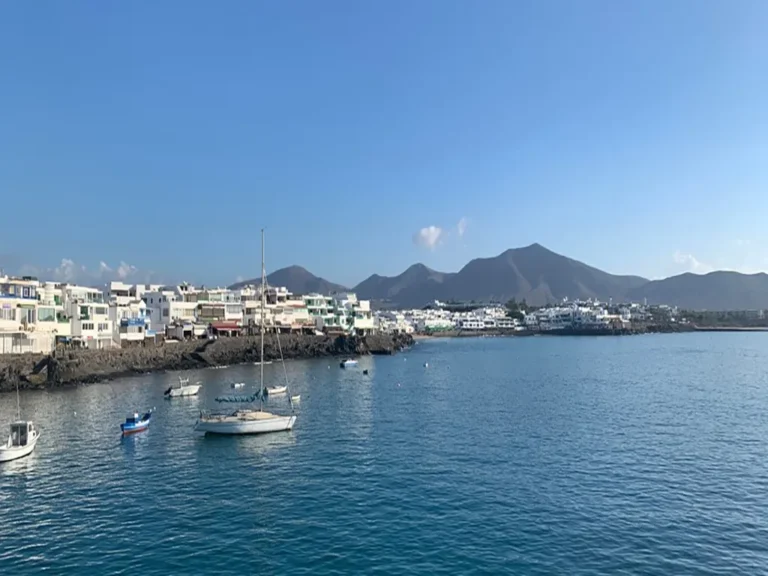
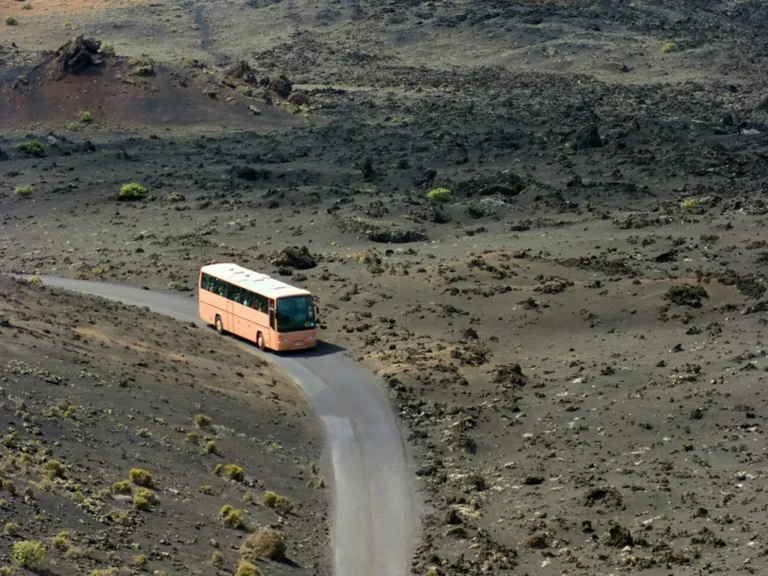
On Lanzarote the landscape itself is the attraction. The eruptions of 1730–1736 created what is now Timanfaya National Park, which you see from a coach on the Ruta de los Volcanes, and the artist César Manrique turned lava tubes and cliff tops into visitor centres such as Jameos del Agua and Mirador del Río. The whole island has been a UNESCO Biosphere Reserve since 1993. Our guide to Timanfaya and Lanzarote’s volcanoes explains how to visit.
Our Lanzarote excursions are mainly trips by sea, such as the I Love Papagayo catamaran to the coves of the southern tip, with paella and an open bar, and day trips to La Graciosa and Fuerteventura (see below). At the time of writing we do not sell a Timanfaya tour from Lanzarote hotels; our volcano tour starts in Fuerteventura.
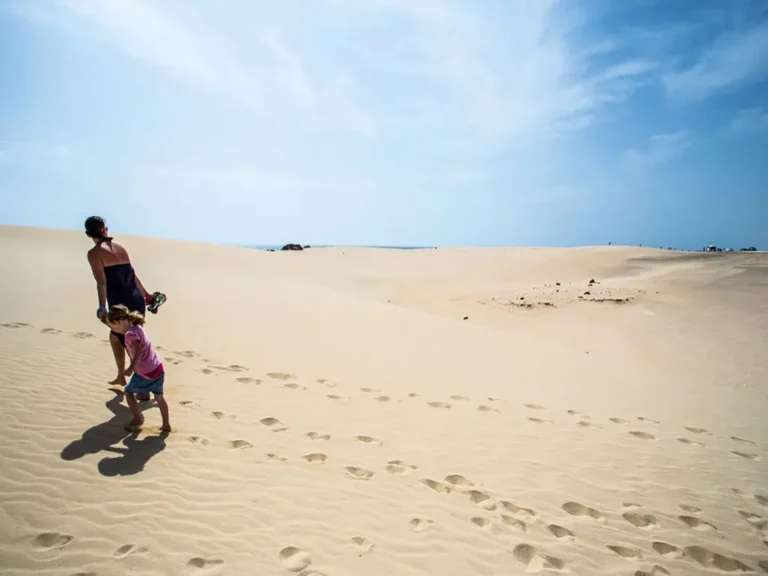
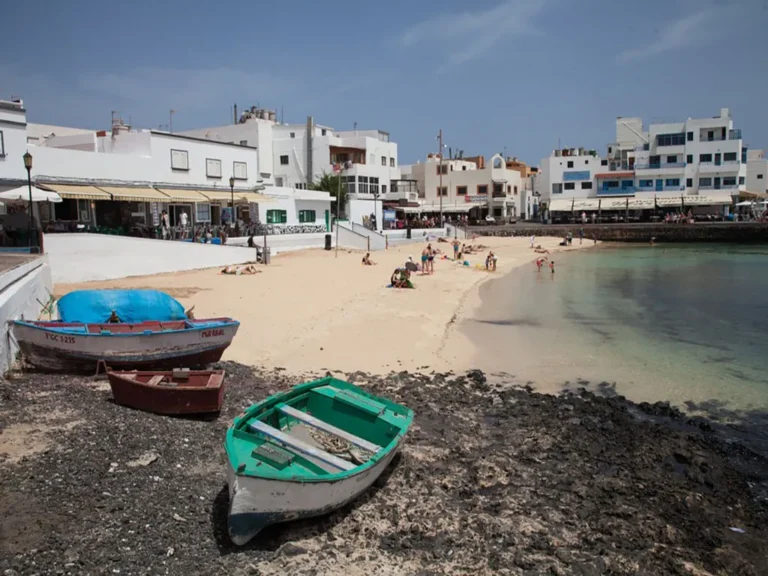
Fuerteventura’s tourist board counts more than 150 km of beaches, and the island is known for wide sand and open space. In the north, the white dunes of the Corralejo Natural Park run down to the sea, and a short boat ride from Corralejo lies the Isla de Lobos, a small island protected as a natural park, with footpaths to its crater and lighthouse. The wind makes beaches such as Flag Beach popular with windsurfers and kitesurfers.
To see the island in one day, Discover Fuerteventura crosses it from coast to coast – the Entallada lighthouse, the black sand and sea caves of Ajuy, the old capital Betancuria and the Corralejo dunes – with a traditional lunch. It starts from meeting points in Corralejo or Caleta de Fuste. More ideas are on our Fuerteventura page.
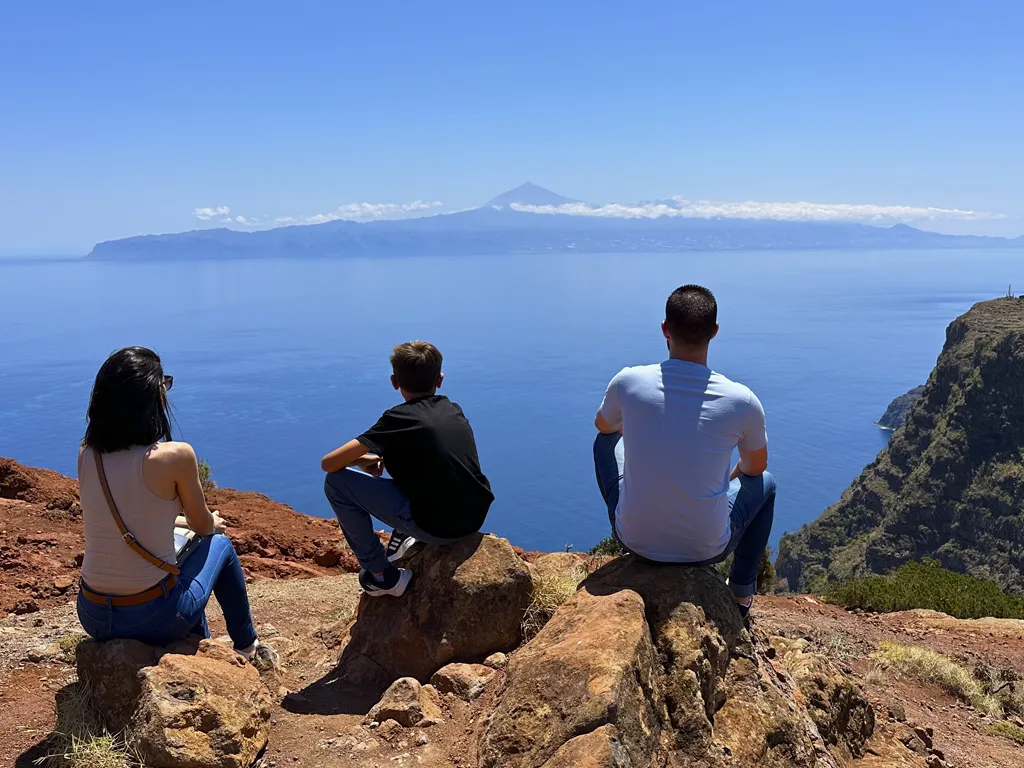
The islands are close enough for day trips by sea. According to Fred. Olsen Express, the crossing takes about 50 minutes from Tenerife to La Gomera, about 80 minutes from Tenerife to Gran Canaria and 25–35 minutes between Lanzarote and Fuerteventura. The ferry from Órzola, in the north of Lanzarote, to La Graciosa takes about 25 minutes.
Tenerife and Lanzarote, by contrast, are too far apart for a comfortable day trip by boat: the same company lists 3 hours 20 minutes even from Tenerife to Fuerteventura. To combine them, fly – flights between the islands take less than an hour, says the Canary Islands’ tourist board.
9 h2 optionsLa Gomera Day Trip from Tenerife with Ferry and Lunchfrom €110per adultDetails
8 hFuerteventura at Your Own Pace: Day Trip from Lanzarotefrom €45per adultDetails
All four islands are mild all year, and the Canary Islands get more than 3,000 hours of sunshine a year, according to their tourist board. On the coast the differences are small. In the 1981–2010 averages of AEMET, Spain’s weather agency, January daytime highs at the airports of Tenerife South, Gran Canaria, Lanzarote and Fuerteventura are all around 21 °C, and August highs about 27–29 °C.
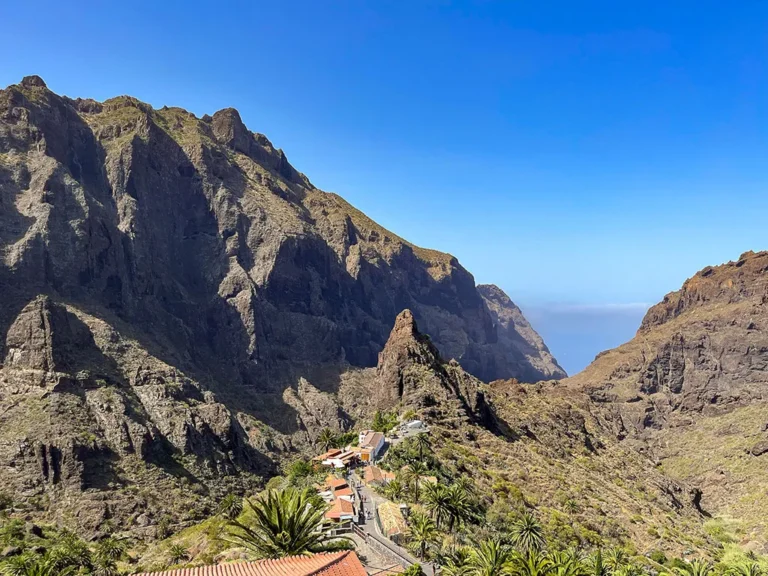
The big differences come with height. Tenerife and Gran Canaria are high, mountainous islands: their north-facing slopes are greener and cloudier, and the mountains are much cooler. Tenerife North airport, 632 metres up in La Laguna, averages 13 °C in January and about 520 mm of rain a year, against about 130 mm at Tenerife South. Lanzarote and Fuerteventura are lower and drier, with about 100 mm a year at their airports, and the wind is often noticeable on the coast.
Whichever island you choose, pack a warm layer for Teide or the peaks of Gran Canaria, and a windproof jacket for boat trips.
A quick guide to the kind of trip each island does well:
| If you want… | Choose | Good to know |
|---|---|---|
| Spain’s highest peak and a cable car | Tenerife | Teide tours with pickup from the resorts |
| Whales and dolphins | Tenerife | Resident all year; Gran Canaria has trips too; sightings are never guaranteed |
| Theme and water parks | Tenerife | Loro Parque and Siam Park |
| Mountain villages and viewpoints | Gran Canaria | Roque Nublo and Tejeda |
| A historic capital city | Gran Canaria | Vegueta in Las Palmas |
| Volcanic landscapes | Lanzarote | Timanfaya by coach or on a guided walk |
| Art and architecture | Lanzarote | César Manrique’s centres |
| Dunes and long beaches | Fuerteventura | Corralejo and the Isla de Lobos |
| A small, quiet island for a day | Lanzarote or Fuerteventura | La Graciosa or Lobos by boat |
| The widest choice of tours | Tenerife | Plus an easy day trip to La Gomera |
Many of our tours include pickup near your hotel. Each tour page shows what is included, the days it runs and whether you can cancel free of charge.
Tenerife, by a wide margin. It has Mount Teide, whale watching, theme parks and most of the tours in our catalogue. Gran Canaria, Lanzarote and Fuerteventura have fewer tours, each with its own focus.
Yes. Ferry day trips run from Tenerife to La Gomera, Gran Canaria and La Palma, between Lanzarote and Fuerteventura, and from Lanzarote to La Graciosa. Bring your ID card or passport for the ferry.
On the coast the four main islands are very similar: in the long-term averages of the Spanish weather agency, January daytime highs at their airports are around 21 °C. The north of Tenerife and the mountains are noticeably cooler.
Not comfortably by boat, as the islands are far apart. Combine them by plane, or choose the neighbouring islands instead: La Gomera or Gran Canaria from Tenerife, Fuerteventura from Lanzarote.
Both Lanzarote and Tenerife suit volcano lovers. Lanzarote has the lava fields of Timanfaya from the 18th century; Tenerife has Mount Teide, which you can climb most of the way by cable car.
The four main islands compared in winter: daytime highs, rainy days and sunshine at each airport, why height matters more than the island, the sea and winter trips.
What “included”, “optional” and “meeting point” mean, how the pickup point and time reach you, what to do from a villa, and a checklist for choosing a tour.
A sheltered resort on the south-west coast of Gran Canaria: the beaches of Puerto Rico and Amadores, dolphin watching from the harbour and getting around without a car.