Canary Islands weather in December and January: the warmest island

In short

  • On the coast the four main islands differ by about a degree: highs around 22 °C in December, 21 °C in January.
  • In AEMET’s averages Tenerife South airport is the warmest by day in every winter month, by under a degree.
  • Fuerteventura gets the least rain; Lanzarote has the most sunshine in January.
  • Height matters more than the island: Tenerife North airport, 632 metres up, is about 5 °C cooler.

Canary Islands weather in December and January is mild on all four main islands, and on the coast the difference between them is small. In the long-term averages of AEMET, Spain’s weather agency, the airports of Tenerife South, Gran Canaria, Lanzarote and Fuerteventura all have daytime highs of around 22 °C in December and 21 °C in January. The warmest of them, by less than a degree, is Tenerife South. Where you are on an island, by the sea or up in the hills, makes a much bigger difference.

Below are the numbers side by side, why the north of Tenerife is cooler, what the sea is like and which of our trips suit a winter day in Tenerife, Gran Canaria, Lanzarote and Fuerteventura.

The islands side by side

The table shows AEMET’s climate normals for 1981–2010: the average daytime high and night-time low at each island’s main airport. All of them are on the coast except Tenerife North, which is 632 metres up in La Laguna.

AirportDecember, high / lowJanuary, high / low
Tenerife South22.8 °C / 16.5 °C21.7 °C / 15.2 °C
Gran Canaria22.2 °C / 16.2 °C20.8 °C / 15.0 °C
Fuerteventura22.0 °C / 15.9 °C20.6 °C / 14.7 °C
Lanzarote21.8 °C / 15.4 °C20.7 °C / 14.0 °C
Tenerife North17.1 °C / 11.5 °C16.0 °C / 10.2 °C

February is much like January: highs of 21.0–22.0 °C at the four coastal airports and 16.7 °C at Tenerife North. These are 30-year averages, not a forecast: a cooler, cloudier week can happen on any island, so check the AEMET forecast a few days before you travel.

Which island is warmest in winter?

By day, Tenerife South is the warmest of these airports in December, January and February, but never by more than a degree over the next one. At night Tenerife South and Gran Canaria are the mildest, at about 15–16.5 °C, and of the coastal airports Lanzarote is the coolest, at about 14 °C in January and February.

So on the coast the four islands offer the same kind of winter: mild days and cool evenings. January is the coolest month of the year at every one of these airports.

Rain and sunshine

AirportRainy days, Dec / JanHours of sun, Dec / Jan
Tenerife South3.5 / 1.8195 / 193
Gran Canaria4.5 / 3.1179 / 184
Fuerteventura3.2 / 2.5186 / 190
Lanzarote3.8 / 3.2196 / 203
Tenerife North8.8 / 7.7137 / 150

“Rainy days” are days with at least 1 mm. December is the wettest month of the year at all of these airports. Fuerteventura gets the least rain: 26 mm in December, 14 mm in January and 98 mm in a whole year. Tenerife South has the fewest rainy days in January, fewer than two, and Lanzarote the most sunshine, 203 hours.

Height matters more than the island

Tenerife North airport is the exception in both tables: about 5 °C cooler by day than the coastal airports, with seven to nine rainy days a month and less sun. That is mostly down to height. Santa Cruz de Tenerife, the capital on the coast below La Laguna, averages 21.0 °C by day in January in AEMET’s figures, about as warm as the coastal airports.

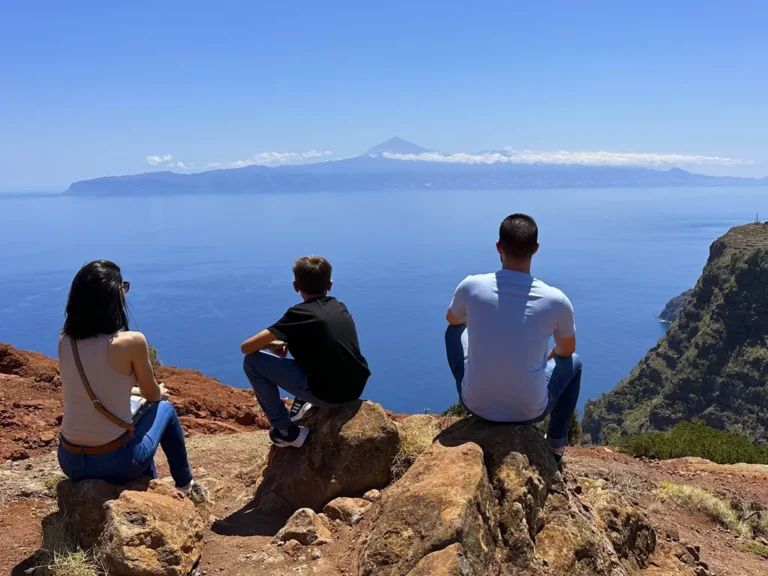
Higher still it is a different season. At AEMET’s Izaña station, 2,369 metres up near Teide, January averages 7.5 °C by day and about 1 °C at night, with around two days of snow a month in winter. The Teide cable car goes higher than that, and its operator says wind and temperature at the top can delay or stop it at short notice. Gran Canaria’s mountains work the same way: its tourist board says the weather changes a lot as you climb inland, and higher up the mountains reach the clouds and it is much cooler.

The sea in winter

The Canary Islands tourist board gives an average sea temperature of about 18 °C in February, the coolest time of year, and 25 °C in August. It quotes one figure for all the islands, not one per island. Boat trips depend on the weather more than any other tour: if the operator cancels because of the sea, wind or another safety reason, you can choose another date or get a full refund.

Winter trips island by island

Tenerife: the south coast and Teide

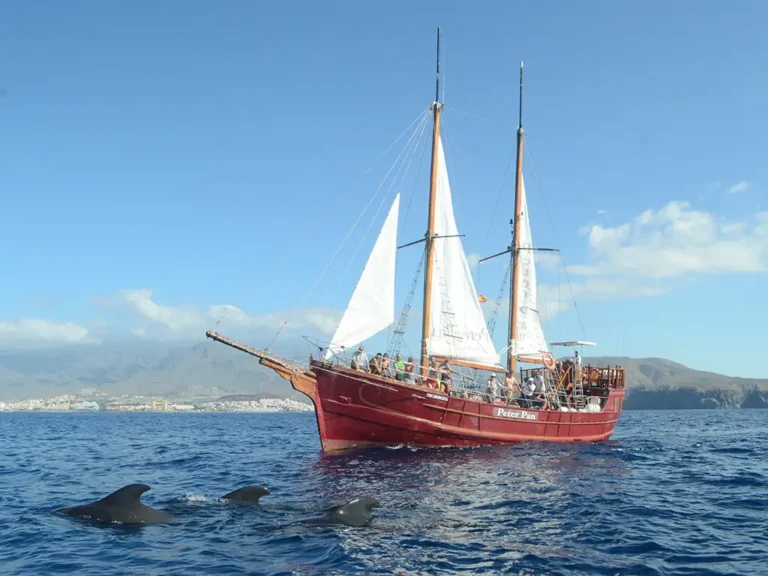
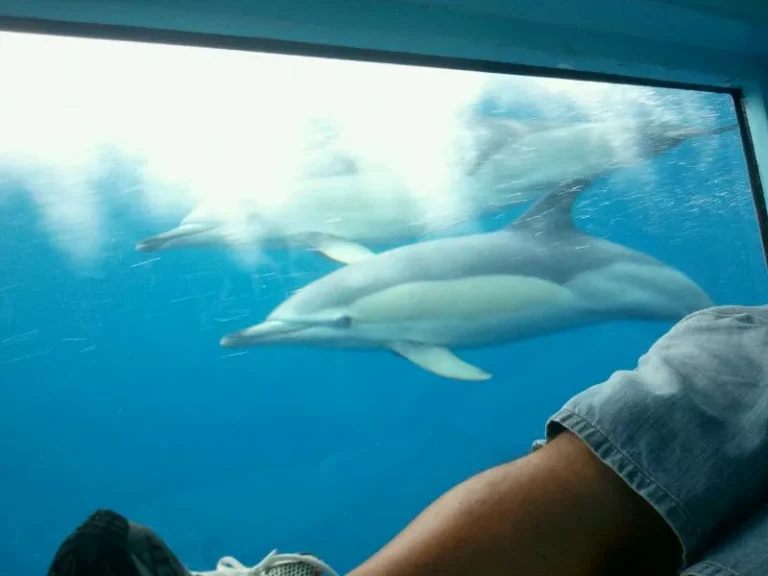
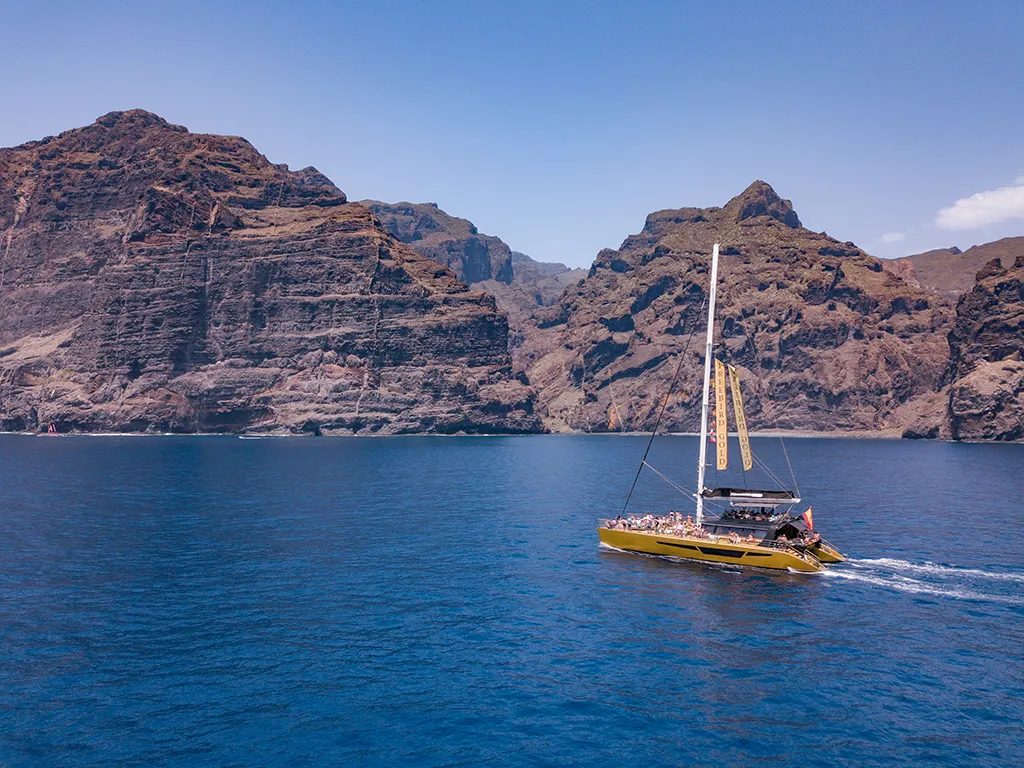
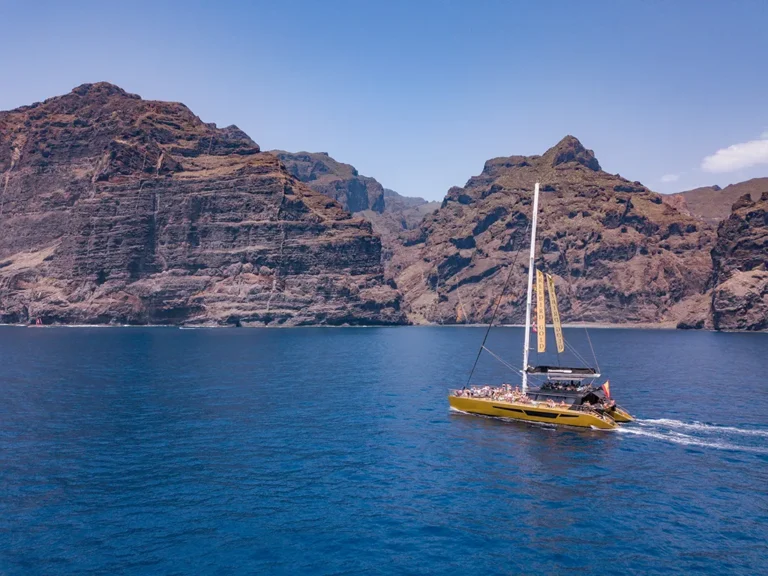
Most boat trips leave from the sunny south-west. The Freebird catamaran sails from Puerto Colón in Costa Adeje to watch the pilot whales and dolphins that live off this coast all year; the 3-hour trip leaves at 10:00, with pickup from the south and a swim stop. They are wild animals, so no boat can guarantee a sighting. There is more choice among our boat trips in Tenerife.

2–4 h4 optionsFreebird Catamaran: Whale and Dolphin WatchingFree cancellation up to 24 h beforefrom €30per adultDetails

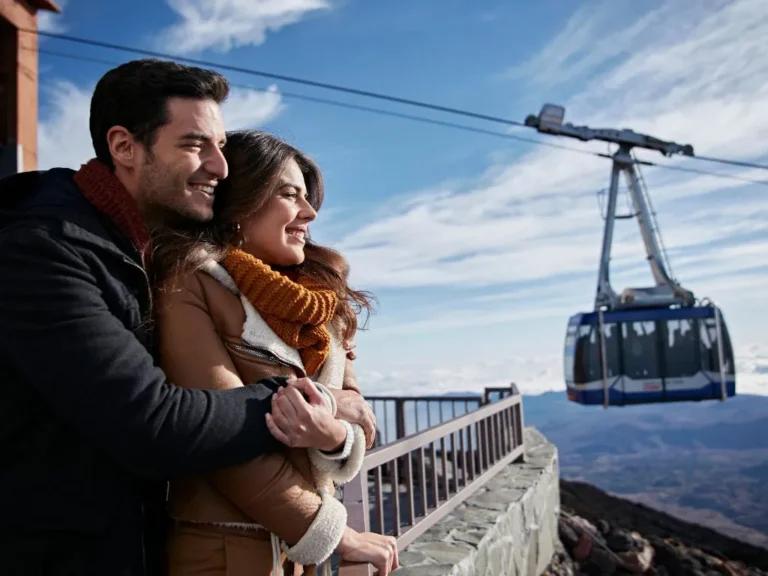
On a clear day, the Teide tour with cable car takes you from the coast into the national park with a guide and up by cable car, with pickup from the south and from Puerto de la Cruz every day. Pack a warm jacket, a hat and gloves for the top.

Gran Canaria: dolphins from the south

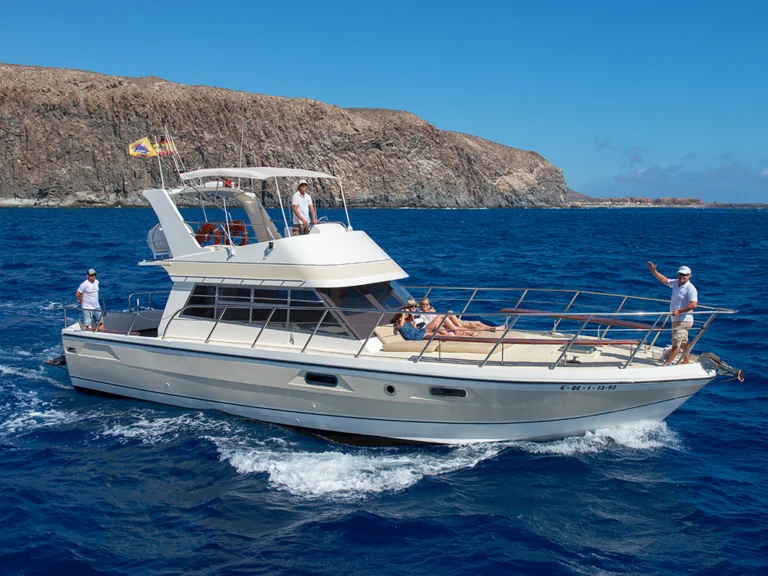
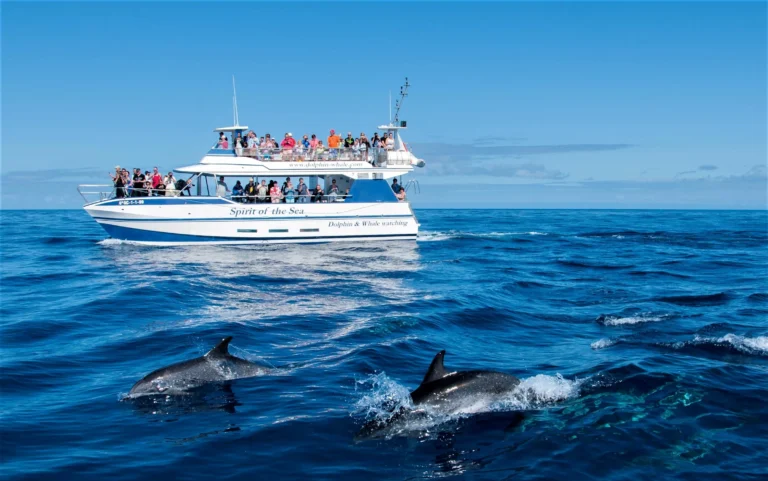
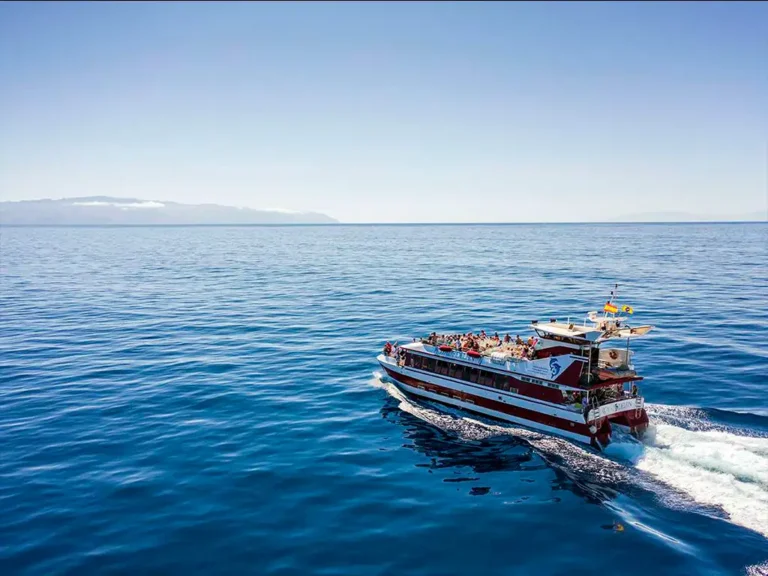
In winter, Spirit of the Sea leaves Puerto Rico every day at 10:30 and 13:30 for about two and a half hours to look for dolphins, with a swim on the 13:30 trip if the sea allows. Our guide to Gran Canaria weather in winter covers the mountains, the capital and the carnival.

2,5 hSpirit of the Sea: Dolphin and Whale Watching, Gran CanariaFree cancellation up to 24 h beforefrom €40per adultDetails

Lanzarote and Fuerteventura: the driest islands

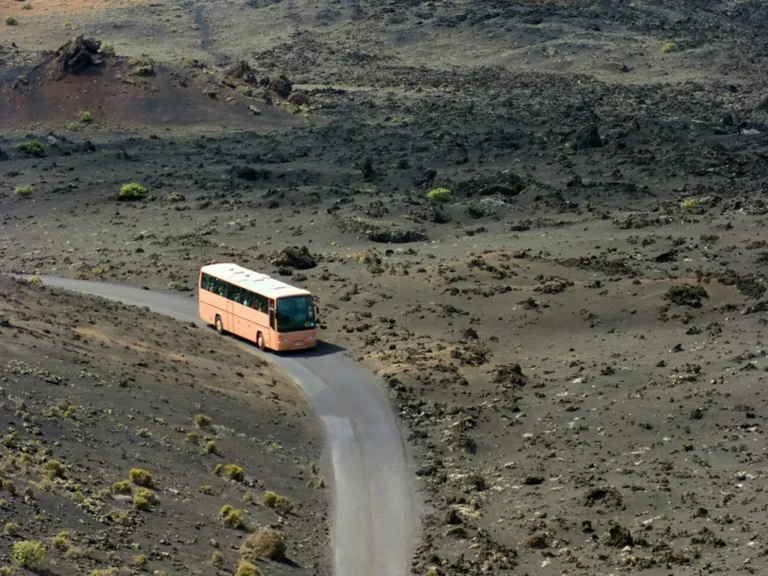
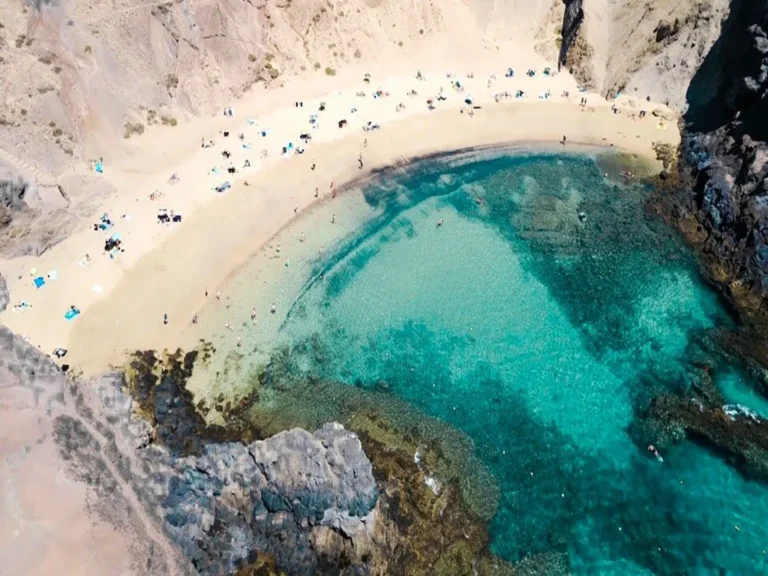
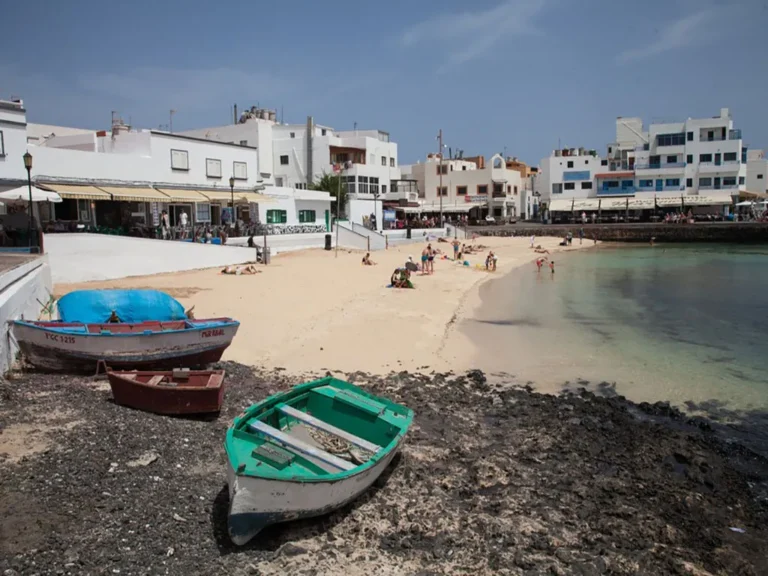
The two eastern islands get the least rain in winter, and their coast and viewpoints can be windy, so a light jacket helps even on a sunny day. For tours that suit the season, see our guides to Lanzarote in winter and Fuerteventura in winter.

What to pack for a Canary Islands winter

  • Layers: T-shirts for the day and a jumper for the evening, when it is about 14–16 °C on the coast.
  • Warm clothes for the heights: a warm jacket, hat and gloves for Teide or the mountains of Gran Canaria.
  • A windproof jacket: for boat trips and coastal viewpoints.
  • Sun protection: sunglasses, a hat and sunscreen, as the sun can be strong on a clear day even in winter.
  • Swimwear: for a calm beach day and the swim stops on boat trips.
The Freebird 3-hour trip and the Teide tour with cable car include pickup, so in winter you can go from the beach to the sea or up into the mountains without a car.

Still choosing an island? Our comparison of which Canary Island suits your trip looks at excursions, day trips by ferry and the weather all year.

Boat Trips in Tenerife

36 tours →

Frequently asked questions

Which Canary Island is warmest in December?

By a small margin, the south of Tenerife. In the long-term averages of AEMET, Spain’s weather agency, Tenerife South airport has a December daytime high of 22.8 °C, against 21.8–22.2 °C at the airports of Gran Canaria, Fuerteventura and Lanzarote.

What is the weather like in the Canary Islands in January?

Mild: on the coast, highs of about 21 °C and lows of 14–15 °C, with two or three rainy days on average. January is the coolest month of the year. In the mountains and at Tenerife North airport it is much cooler.

Which Canary Island has the least rain in winter?

Fuerteventura. Its airport averages 26 mm in December and 14 mm in January, and 98 mm in a whole year. Lanzarote is close behind, while the north of Tenerife and the mountains get much more.

Can you swim in the sea in the Canary Islands in winter?

On calm, sunny days, yes. The Canary Islands tourist board gives an average sea temperature of about 18 °C in February, so the water feels fresh. Swim at beaches with lifeguards and follow the flags.

Boat Trips36 tours · from €27
View

Menu

Islands