Gran Canaria weather in December, January, February: what to expect

  • Gran Canaria
  • When to go
  • 6 min read

In short

  • Average highs at Gran Canaria Airport: 22.2 °C in December, 20.8 °C in January, 21.2 °C in February.
  • December is the wettest month, with 31 mm on about four and a half days; January and February are drier.
  • The coast, above all the south, is dry and sunny; up in the mountains it is cooler and often cloudier.
  • Coach tours and the dolphin boat run all winter; weekdays and weather decide which trip suits which day.

Gran Canaria weather in December, January and February is mild, not hot. At Gran Canaria Airport, the long-term averages of Spain’s weather agency AEMET give daytime highs of about 21–22 °C, night-time lows of 15–16 °C and three to five days a month with real rain. Where you are on the island matters too: the coast, above all in the south, is usually dry and sunny, while the mountains in the centre are cooler and often in cloud.

Below you will find the figures month by month, the difference between the coast and the mountains, what to pack, and which of our trips in Gran Canaria suit a winter day.

Winter weather in Gran Canaria at a glance

The table shows AEMET’s climate normals for 1981–2010 at the airport weather station, 24 metres above sea level on the east coast, between Las Palmas and the resorts of the south.

MonthAverage high / lowRain and sunshine
December22.2 °C / 16.2 °C31 mm on 4.5 days; 179 hours of sun
January20.8 °C / 15.0 °C25 mm on 3.1 days; 184 hours of sun
February21.2 °C / 15.0 °C24 mm on 3.0 days; 191 hours of sun

“Days” are days with at least 1 mm of rain. These are averages over 30 years, not a forecast: a cooler, cloudier week can happen, and so can a warm spell. Check the AEMET forecast a few days before your trip.

Coast or mountains: where the winter weather changes

Gran Canaria is round and mountainous, and the trade winds blow almost all year. The island’s tourist board describes the coast, above all in the south, as dry and sunny, and says the weather changes a lot as you climb inland: higher up, the mountains reach the clouds and it is much cooler than on the beach. There have even been days with snow on the peaks.

In practice, a sunny morning in Maspalomas or Puerto Rico can come with cloud over the centre of the island. Keep this in mind when you read the airport figures above: they describe the coast, and up in the mountain villages it is cooler.

December: the wettest month of the year

With 31 mm on average, December brings more rain to the airport than any other month – spread over about four and a half days with at least 1 mm. For comparison, the whole year averages 151 mm. Daytime highs stay around 22 °C, a little below November’s 24 °C.

December also has the shortest days, so it pays to start early: on our coach tours to the mountains and the north, pickup in the south runs from around 8:00 to 9:40.

January and February: the coolest weeks

January is the coolest month, with an average high of 20.8 °C and lows around 15 °C. February is very similar, with the most sunshine of the three winter months: 191 hours on average, and only about three days with rain. In each of the two months, rainfall averages 24–25 mm.

It is also carnival time. In 2027, the Carnival of Las Palmas de Gran Canaria runs from 22 January to 28 February, with the Gran Cabalgata parade on Saturday 20 February. If you want to see it, check the official programme before you plan a day trip to the capital.

Sea and wind: what they mean for boat trips

The tourist board gives a sea temperature of about 18 °C in the winter months, so a swim feels fresh, and the breeze makes the air feel cooler on deck than on the beach. Boat trips depend more on the weather than any other excursion. If the operator cancels a tour because of the sea, the wind or another safety reason, you can choose another date or get a full refund.

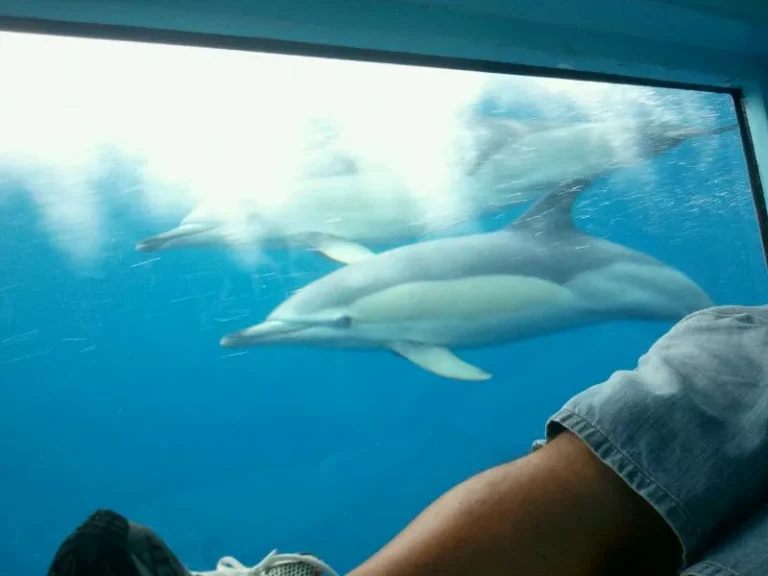
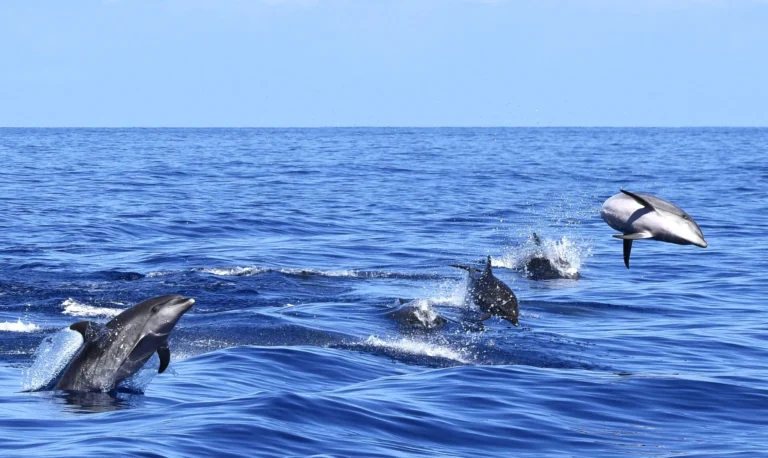
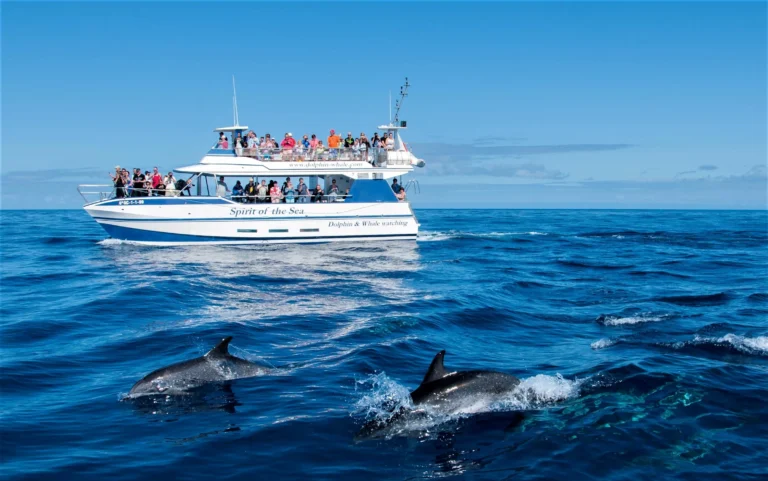
The Spirit of the Sea dolphin watching trip leaves Puerto Rico every day at 10:30 and 13:30 in winter and lasts about two and a half hours. On the 13:30 trip there may be a chance to swim, depending on the sea. Dolphins and whales are wild animals, so no boat can promise a sighting; the ticket includes a sighting guarantee voucher.

2,5 hSpirit of the Sea: Dolphin and Whale Watching, Gran CanariaFree cancellation up to 24 h beforefrom €40per adultDetails

Which excursions suit a winter day

A clear day: the mountains

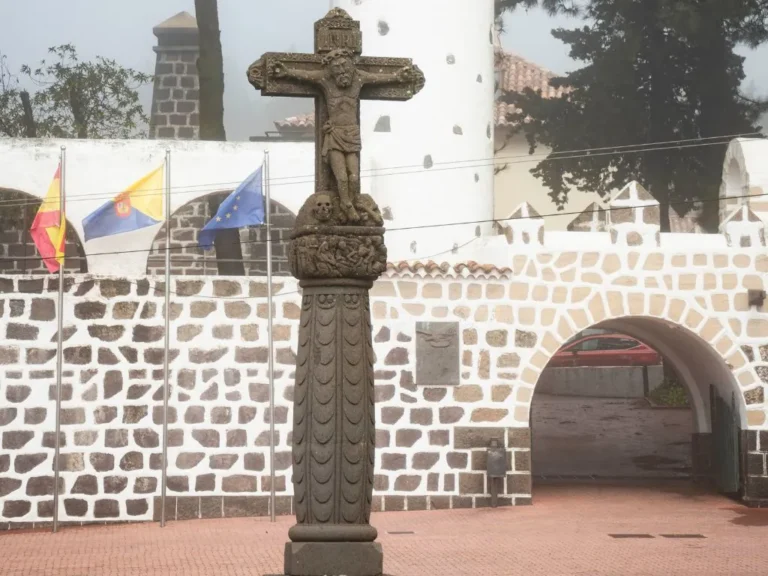
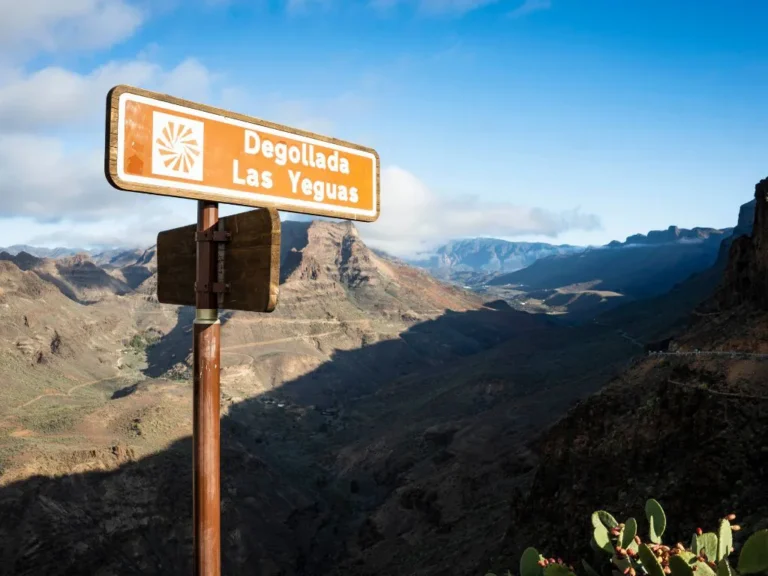
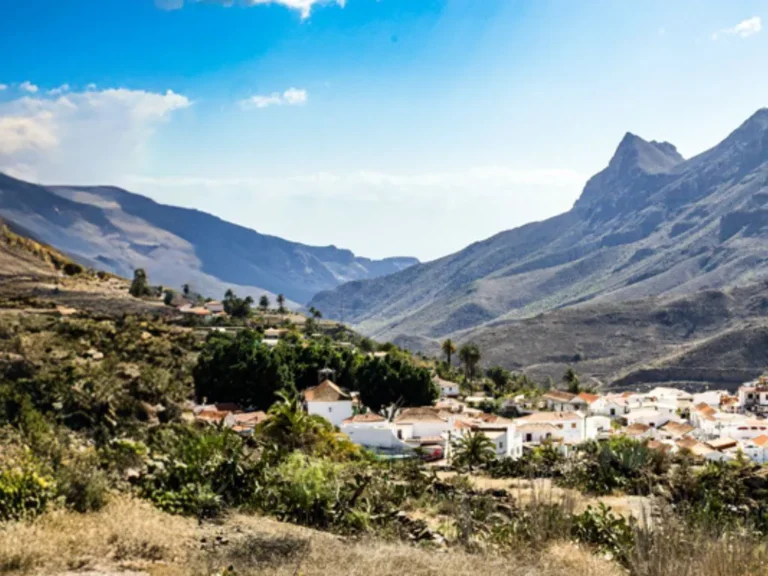
Go up when the sky is clear. Gran Canaria from the Heights climbs from the south to the Fataga valley, the Degollada de Becerra viewpoint facing Roque Nublo and the Cruz de Tejeda, then gives you an hour in the village of Tejeda. It usually runs on Saturdays plus one weekday and takes about eight to nine hours. Bring a warm layer for the higher viewpoints; like any mountain trip, the route can change in bad weather.

8–9 hGran Canaria from the Heights: Fataga, Roque Nublo, TejedaHotel pickup · Free cancellation up to 24 h beforefrom €47per adultDetails

A grey day: old towns and the capital

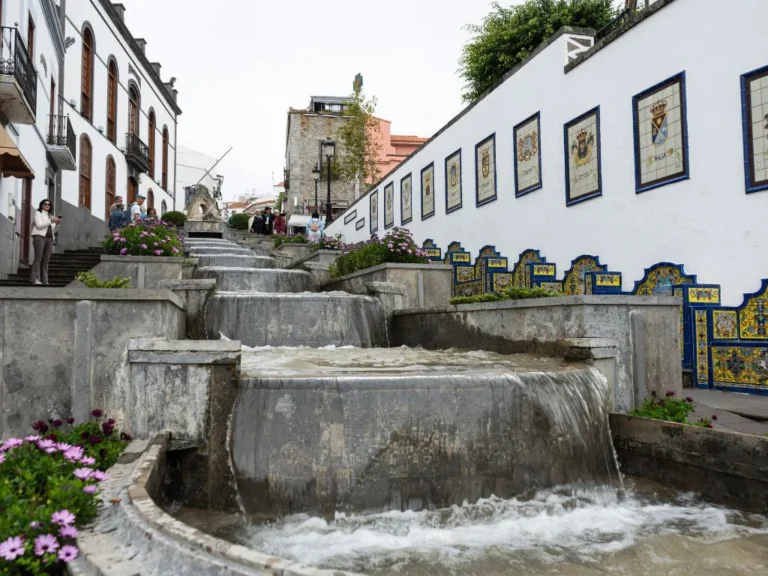
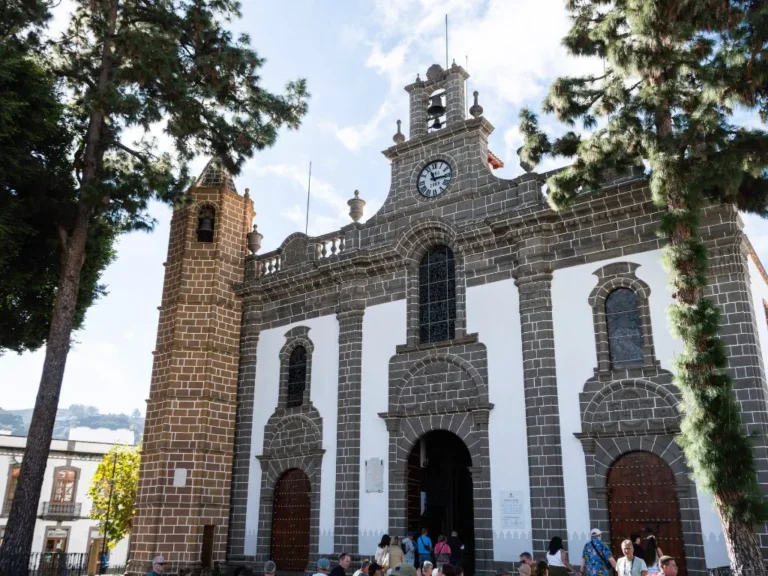
When cloud sits on the peaks, choose towns. Traditional Gran Canaria visits Arucas and a rum distillery, the tiled streets and fountains of Firgas, and Teror, usually on Wednesdays, in about six to seven hours.

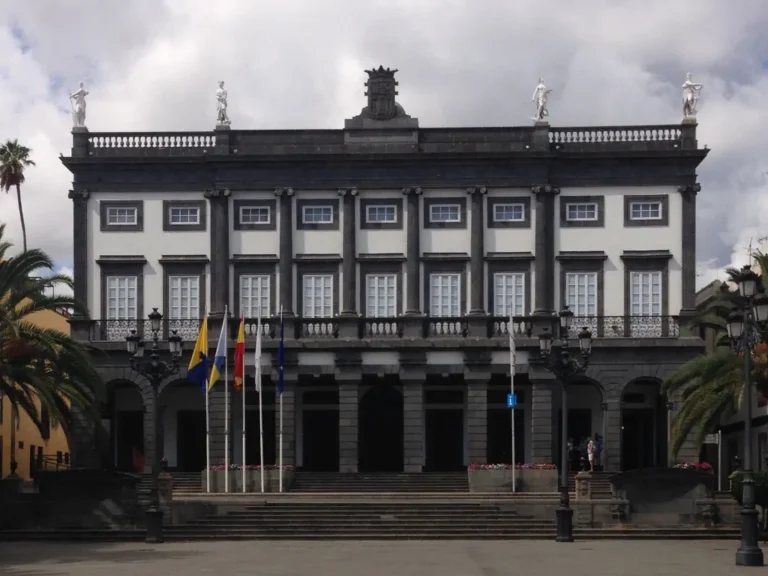
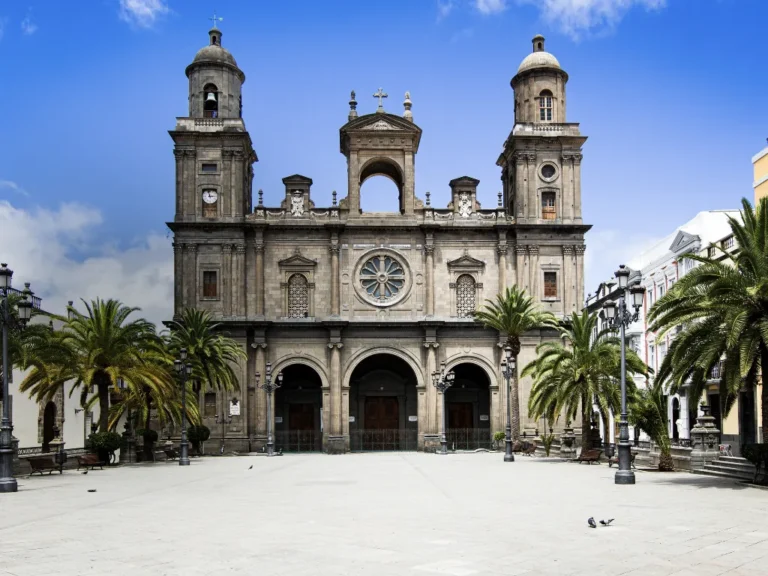
The Las Palmas day trip usually runs on Tuesdays and Thursdays: a guided walk through Vegueta and Triana, then free time in the city, with the option of a ticket for the Poema del Mar aquarium for the afternoon.

9 h2 optionsLas Palmas de Gran Canaria Day Trip with Poema del MarHotel pickup · Free cancellation up to 24 h beforefrom €49per adultDetails

What to pack for Gran Canaria in winter

  • Layers: T-shirts for the coast, plus a jumper or fleece for the mountain viewpoints and the evenings.
  • A windproof jacket: for the boat and the mountain viewpoints.
  • Sun protection: sunglasses, a hat and sun cream – the sun can be strong on clear days, even in winter.
  • Comfortable shoes: for the cobbled streets of Vegueta and Teror.
  • Swimwear: for the beach on a calm day and for the 13:30 dolphin trip.
On our coach tours you are picked up at the meeting point nearest your hotel in the south, so you can see the mountains and the north in winter without driving the mountain roads yourself.

Planning tips for a winter holiday

  • Look at the weekdays when you book: the coach tours run only on some days of the week.
  • Check the forecast the evening before and keep the mountain tour for a clear day if your dates allow.
  • Book the boat trip for the first half of your stay, so there is time for a new date if the sea is too rough.

Comparing islands for a winter break? Read which Canary Island is warmest in winter and our guide to Lanzarote weather in winter. For more ideas on the island, see things to do in Gran Canaria.

Coach Tours in Gran Canaria

3 tours →

Frequently asked questions

Is Gran Canaria warm in December?

It is mild. AEMET’s long-term averages at Gran Canaria Airport give daytime highs of about 22 °C and lows of about 16 °C in December. Sunny afternoons on the coast feel warm, while evenings and the mountains feel cooler.

Which part of Gran Canaria has the best weather in winter?

The island’s tourist board describes the coast, above all the south, as dry and sunny. The centre of the island is higher, cooler and more often in cloud.

Does it rain a lot in Gran Canaria in winter?

Not much. December is the wettest month, with about 31 mm on four or five days with 1 mm or more. January and February average 25 mm and 24 mm on about three days each.

Can you swim in Gran Canaria in January?

You can on calm, sunny days. The tourist board gives a sea temperature of about 18 °C in winter, so it feels fresh. Swim where there are lifeguards and follow the beach flags.

Coach Tours3 tours · from €47
View

Menu

Islands